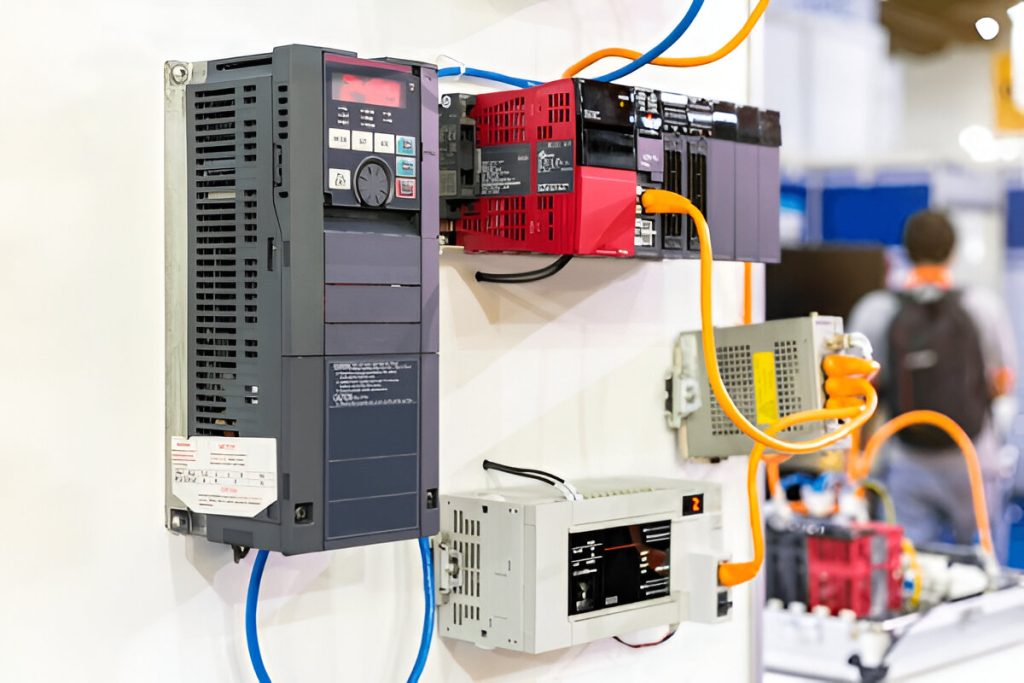
PLC
PLC Training in Malaysia: A Complete Guide for Employers and Technicians
Everything a Malaysian factory needs to know about PLC training, what it covers, who should take it, and how HRD Corp can fund the whole thing.
Practical notes on robotics, automation and workforce upskilling from our trainers in Subang Jaya.
Everything a Malaysian factory needs to know about PLC training, what it covers, who should take it, and how HRD Corp can fund the whole thing.
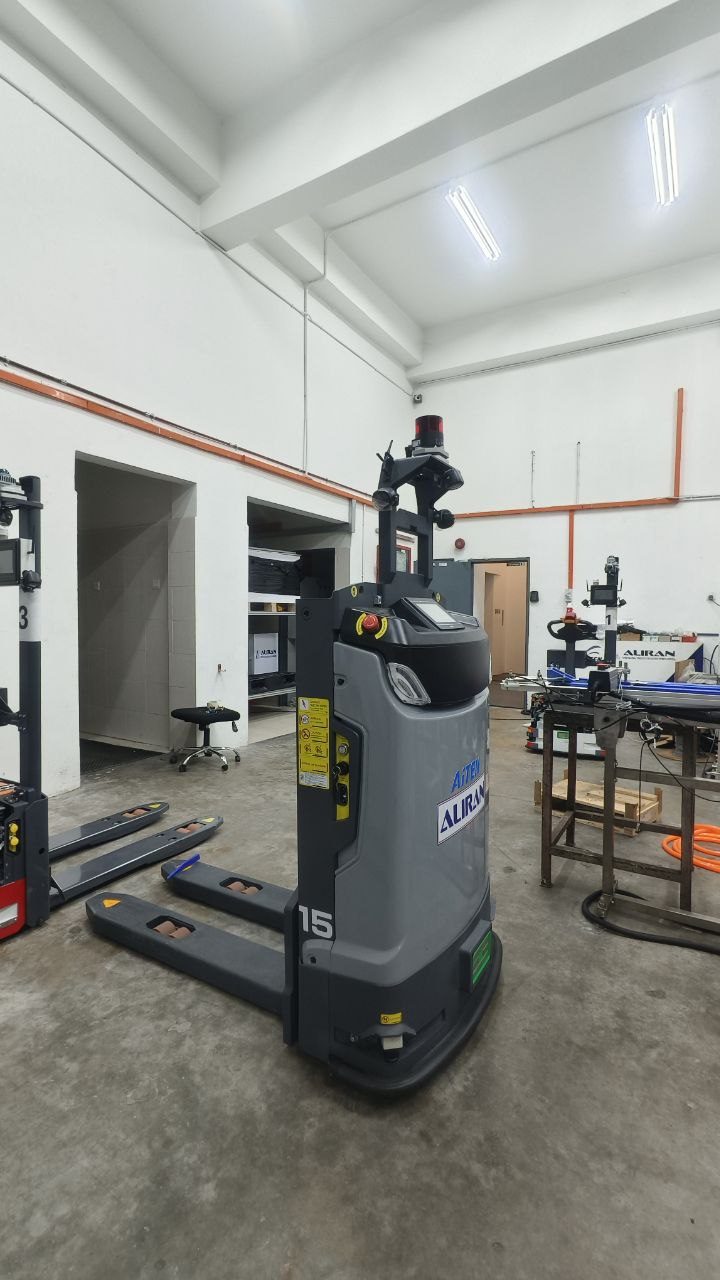
Autonomous mobile robots and automated guided vehicles both move goods, but they are very different machines. Here is how to choose, and how to skill your team for it.
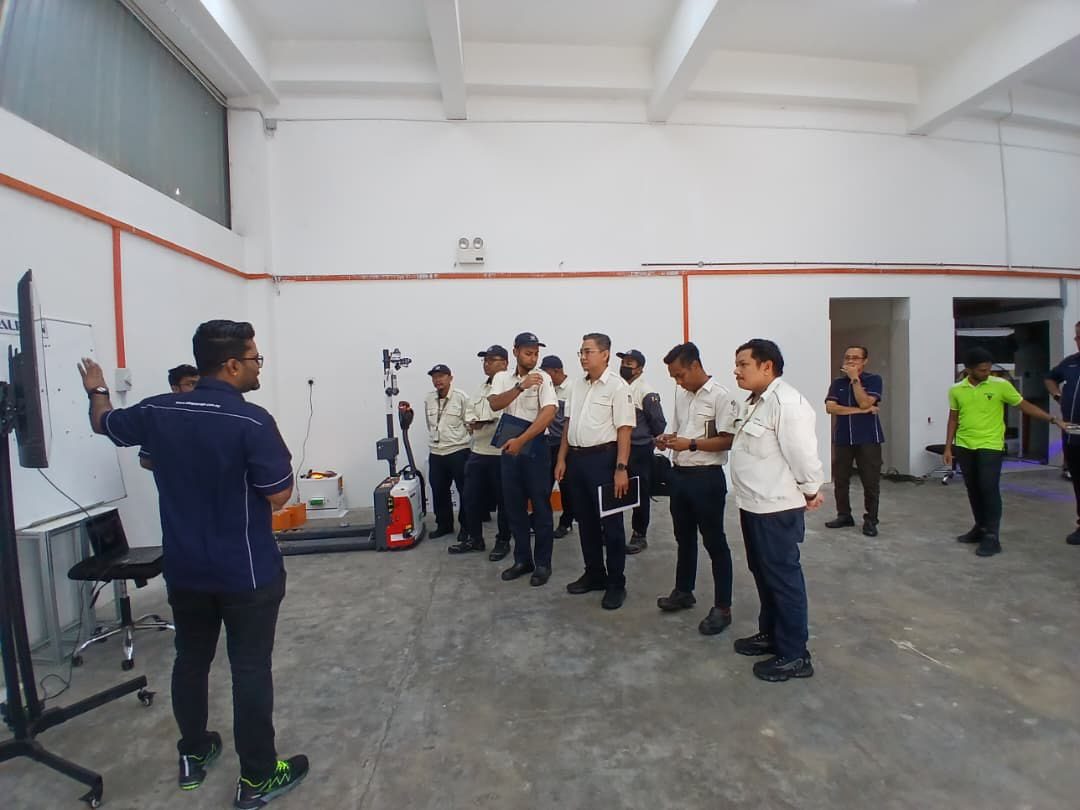
Collaborative does not mean automatically safe. A plain-language guide to the safety methods, risk assessment and training behind a safe cobot cell.
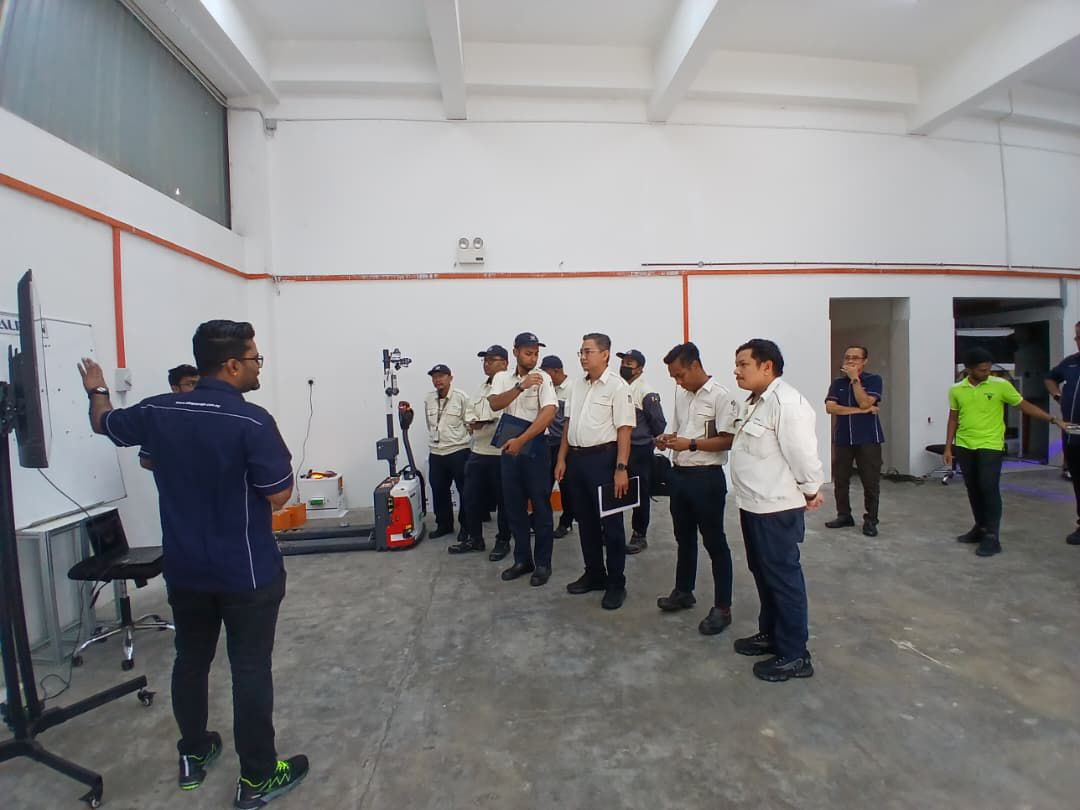
Owning automation is not the same as integrating it. How PLCs, cobots and AMRs actually talk to each other, and the skill that makes them work as one.
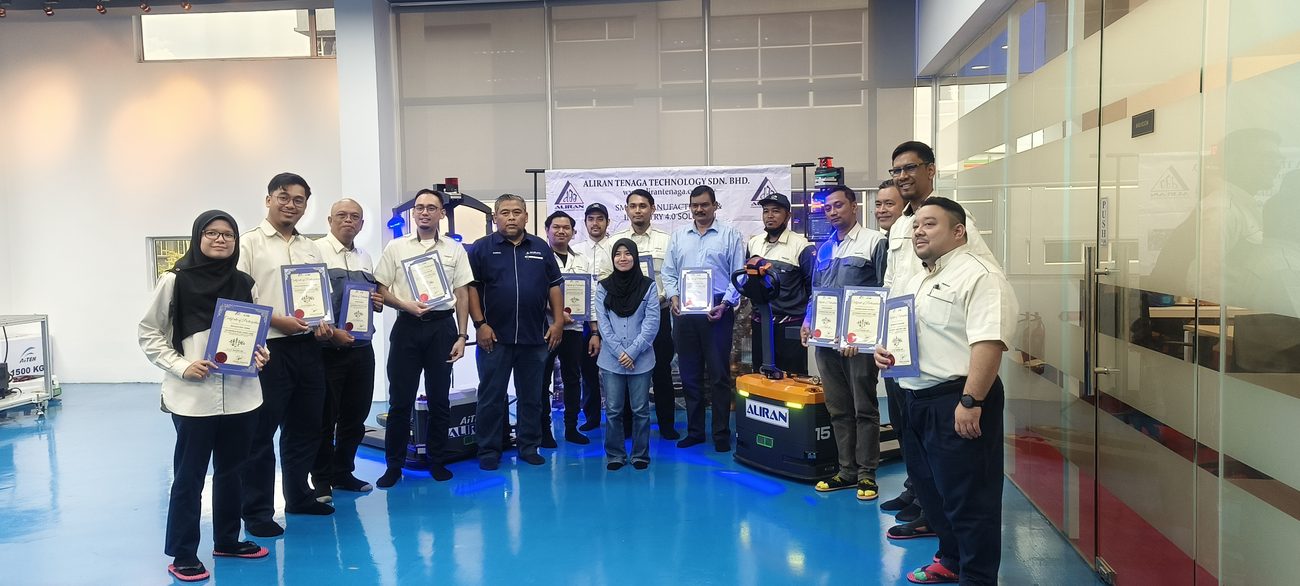
A robot your team cannot run is an expensive ornament. Why training is the highest-return part of any automation investment, especially with HRD Corp.
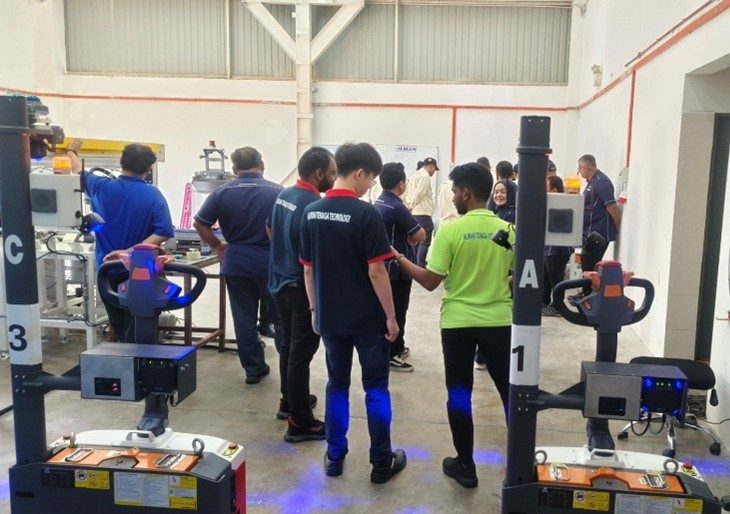
Industry 4.0 is not just for the giants. A practical, step-by-step roadmap a small or mid-sized Malaysian manufacturer can actually walk.
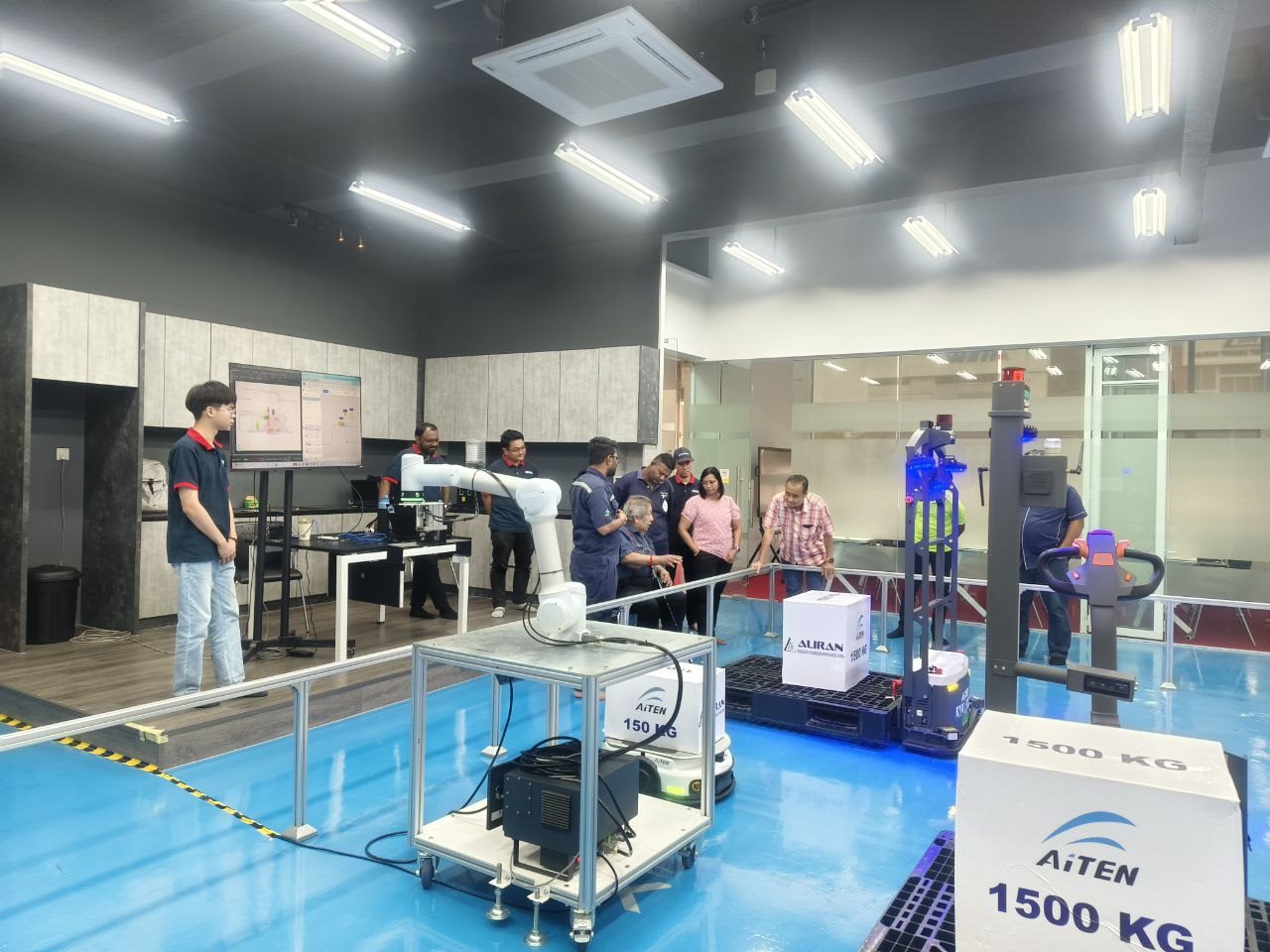
One robot is easy. A fleet that coordinates itself is where the value is. What RCS and RDS actually do, and what your team needs to run a fleet well.
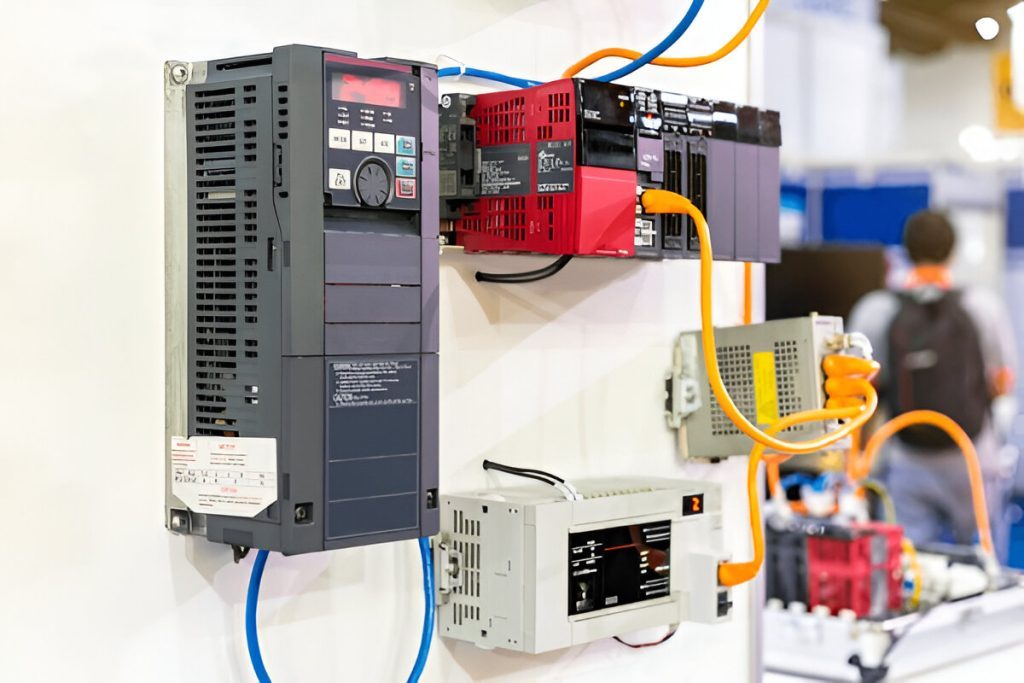
Your maintenance experience is the perfect foundation for one of Malaysia's most in-demand roles. The step-by-step path, without going back to university.

Get your first collaborative robot right and it pays back for years. The buying decision, and the part most people forget: making sure your team can run it.
Ladder logic is the language of factory automation, and it is more approachable than it looks. A gentle, practical introduction for complete beginners.
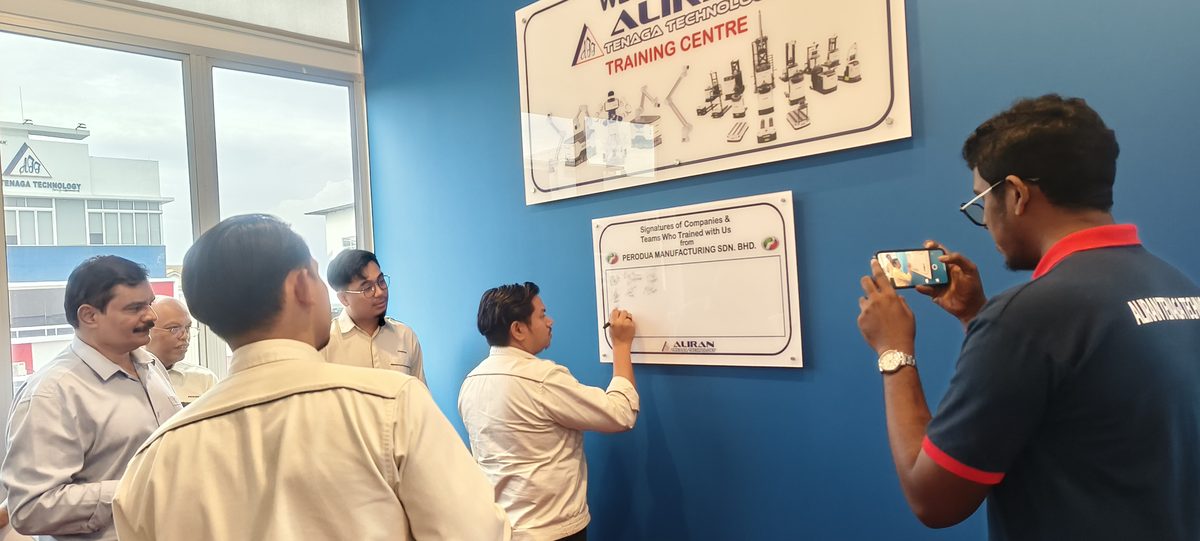
If your company pays the HRD Corp levy, you can put it to work on real robotics training, often with nothing out of pocket. Here is how our clients do it.
Five courses on the list and one team to upskill. There is no single right answer, but there is a sensible order depending on what your floor runs.
People picture training as a room full of slides. Ours looks more like a workshop. Here is what a typical three day AMR course actually runs like.
You cannot learn to run a robot from a slideshow. You learn it by breaking something, fixing it, and doing it again until it clicks.
The robots are only half the job. Before your first AMR arrives, walk your space with this checklist. It saves a lot of headaches later.
Machines are getting smarter, but the number of technicians who can confidently work on a controller has not kept up. These are the skills worth having.