Industry 4.0 is not just for the giants. A practical, step-by-step roadmap a small or mid-sized Malaysian manufacturer can actually walk.
Industry 4.0 is one of those phrases that sounds expensive and far away. For a small or mid-sized Malaysian manufacturer, it can feel like something meant for the big multinationals with deep pockets and their own engineering departments. It is not. Industry 4.0 is simply the steady move toward a smarter, more connected, more automated factory, and it can be walked one practical step at a time. This article lays out a realistic roadmap for a Malaysian SME, without the buzzwords, so you can see where you are, where you could go, and what it actually takes to get there.
What Industry 4.0 really means on a factory floor
Strip away the marketing and Industry 4.0 comes down to a few plain ideas. Machines that used to run in isolation start to connect and share information. Processes that used to need a person at every step start to coordinate themselves. Data that used to live in someone's head or a paper log starts to be captured and used. The result is a factory that is more productive, more consistent, and less dependent on a handful of irreplaceable people.
You do not arrive at that in one giant leap. You get there by improving one process, connecting one pair of machines, and building one new skill at a time. For an SME, that staged approach is not a compromise. It is the smart way to do it, because each step pays for itself and funds the next.
Industry 4.0 is not a product you buy. It is a direction you walk, one automated process at a time.
Step one: get honest about where you are
Every roadmap starts with a location. Before you plan any automation, look clearly at your current floor. Which processes are still fully manual? Where do you lose the most time to downtime, changeovers or errors? Which machines can only be run or fixed by one or two people? Where do orders slow down, and why?
This honest audit matters because it tells you where automation will actually help, rather than where it just looks impressive. The best first project is usually the one that fixes a real, expensive pain, not the flashiest technology. An SME that automates its worst bottleneck first sees a fast return and builds confidence for the next step.
Step two: build the foundation skills
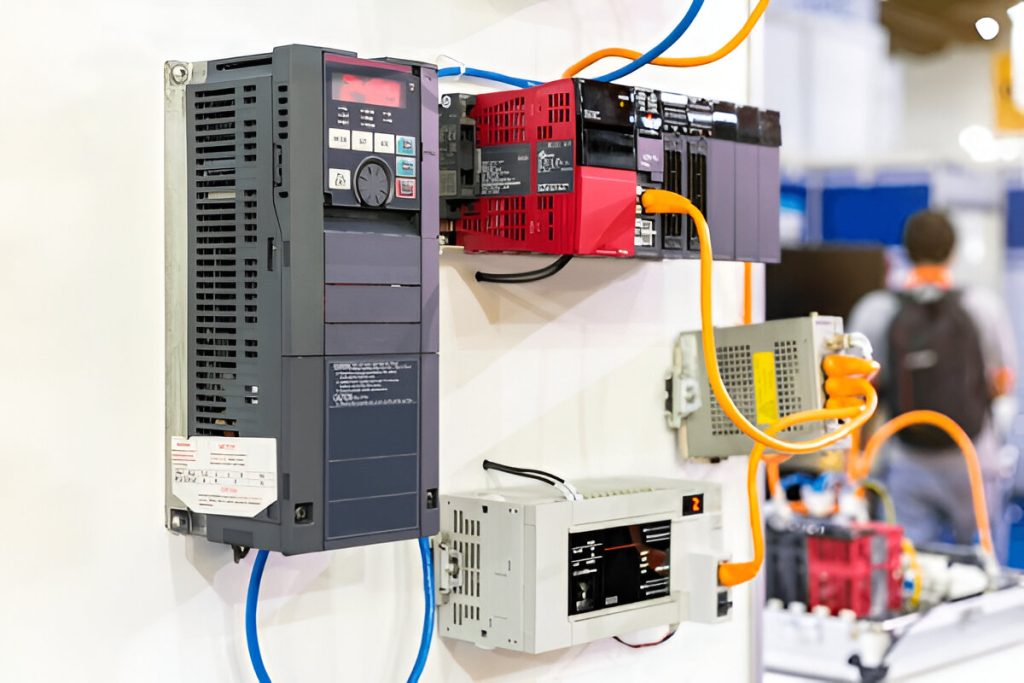
Here is the step SMEs most often skip, and most often regret skipping. Before you buy advanced automation, make sure your team understands the foundation it will sit on. That foundation is the PLC, the brain behind almost all factory automation. A team that understands controllers can support, adjust and troubleshoot the automation you add, which means the automation actually delivers.
Starting with PLC basic training is one of the highest-leverage first moves an SME can make. It is affordable, it is short, and it turns your maintenance team from people who wait for the vendor into people who own the automation. Everything else on the roadmap gets easier once this foundation is in place.
Step three: automate your first real process
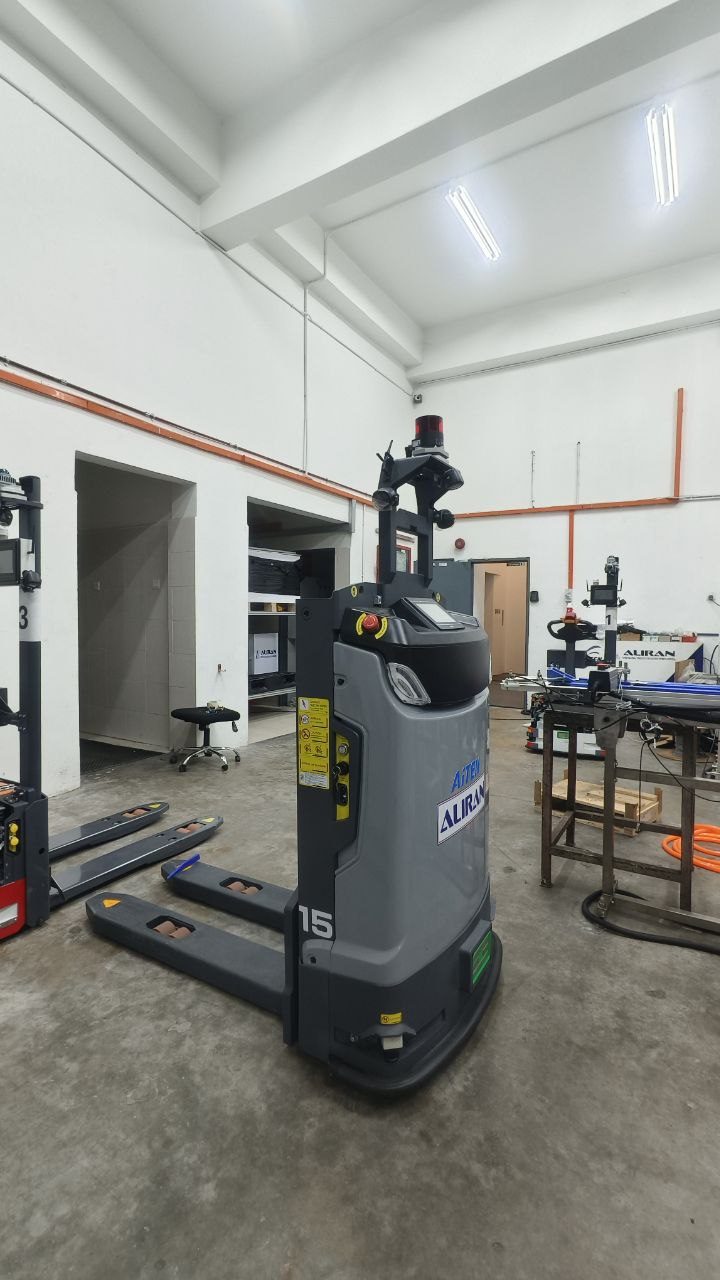
With the pain points identified and the foundation skills growing, you automate your first meaningful process. For many SMEs this is a repetitive material movement, a simple assembly or pick-and-place task, or a machine-tending job that currently ties up a person. The technology could be a cobot working alongside staff, or an autonomous mobile robot handling transport, depending on the job.
The key at this stage is to keep the scope tight. One process, done well, proves the concept and teaches the team. Trying to transform the whole floor at once is how SMEs overspend and stall. Pick one job, automate it, learn from it, and let the win build momentum.
Step four: connect the machines
Once you have a few automated processes, the next level is integration, getting them to coordinate rather than run as separate islands. This is where the biggest productivity gains hide. A cobot that hands off to a conveyor, an AMR that signals a PLC to open a door and release a load, a line that flows from step to step without someone pressing a button between them.
Integration is a skill in its own right, which is why we teach it directly through PLC and Cobot integration and PLC and AMR integration courses. For an SME, reaching this stage is what turns a set of individual machines into something that genuinely feels like a smart factory. It is also where you start to feel like you are ahead of your competitors rather than just keeping up.
Step five: use the data
The final layer of Industry 4.0 is data. Connected machines produce information about output, downtime, cycle times and faults. Captured and used well, that data helps you see where to improve next, predict maintenance before things break, and make decisions based on facts rather than guesses. For an SME this does not have to mean an expensive analytics platform on day one. It can start simply, with the data your integrated systems already produce, and grow as you do.
The important point is that data is the top of the pyramid, not the bottom. You reach it after you have automated and connected, not before. SMEs that chase fancy dashboards before they have automated anything usually end up with expensive screens showing very little.
The skills roadmap that mirrors the technology roadmap
Notice a pattern in the steps above. Every technology stage depends on a skills stage. This is the part SMEs underinvest in, and it is the part that decides whether the whole roadmap works. Here is the skills path that runs alongside the technology.
- Foundation: PLC fundamentals, so the team can support any automation you add.
- First automation: cobot or AMR basics, so the team can run and maintain the first machines.
- Connection: integration skills, so the team can make machines coordinate.
- Optimisation: the confidence and judgement to keep improving, which comes from having done the earlier steps hands-on.
An SME that builds these skills in step with the technology gets full value from every ringgit of automation. An SME that buys the technology and skips the skills ends up with expensive machines it cannot fully use. The whole range of our courses, from PLC, AMR, cobot and integration training, is designed to support exactly this staged skills journey.
Funding the journey through HRD Corp
For a Malaysian SME, cost is always a real concern, and this is where the local system helps enormously. If your company pays the HRD Corp levy, the training at every stage of this roadmap is claimable under the SBL-Khas scheme, because we are a registered provider, serial number 202501044803. That means the skills half of your Industry 4.0 journey, the half that makes the technology half actually work, can be funded largely by levy you have already paid.
For an SME watching every ringgit, that changes the calculation completely. You are not choosing between spending on machines and spending on people. You use the levy for the people and your capital for the machines, and the two halves reinforce each other. Many SMEs have levy sitting unused that could be funding this entire skills path.
Common SME worries, addressed
"We are too small for Industry 4.0." Size is not the barrier people think. The roadmap scales down. A small operation that automates one bottleneck and trains its team is doing Industry 4.0 just as truly as a large plant, at a scale that fits.
"We cannot afford to get it wrong." That is exactly why the staged approach matters. Small, sequenced steps limit the risk of any one decision, and each step proves itself before you commit to the next.
"Our people will not cope with the technology." They will, with training. The reason automation feels overwhelming is usually a skills gap, and that gap is closeable with practical, hands-on courses. Underestimating your own team is a common and costly mistake.
"We do not have time for a big transformation." Good, because you do not need one. One process at a time is the recommended pace, not a fallback. Slow and steady genuinely wins here.
A realistic first year
To make it concrete, here is what a sensible first year might look like for an SME. In the first quarter, audit the floor and send the maintenance team through PLC basics. In the second, automate one clear process and train the team to run it. In the third, get comfortable, gather early data, and identify the next opportunity. In the fourth, begin connecting two processes together with integration skills, and plan the following year from what you have learned. Nothing in that year is heroic or huge. It is a series of manageable steps, each one funded partly by levy, each one building capability and confidence for the next.
A note for Selangor and Klang Valley SMEs
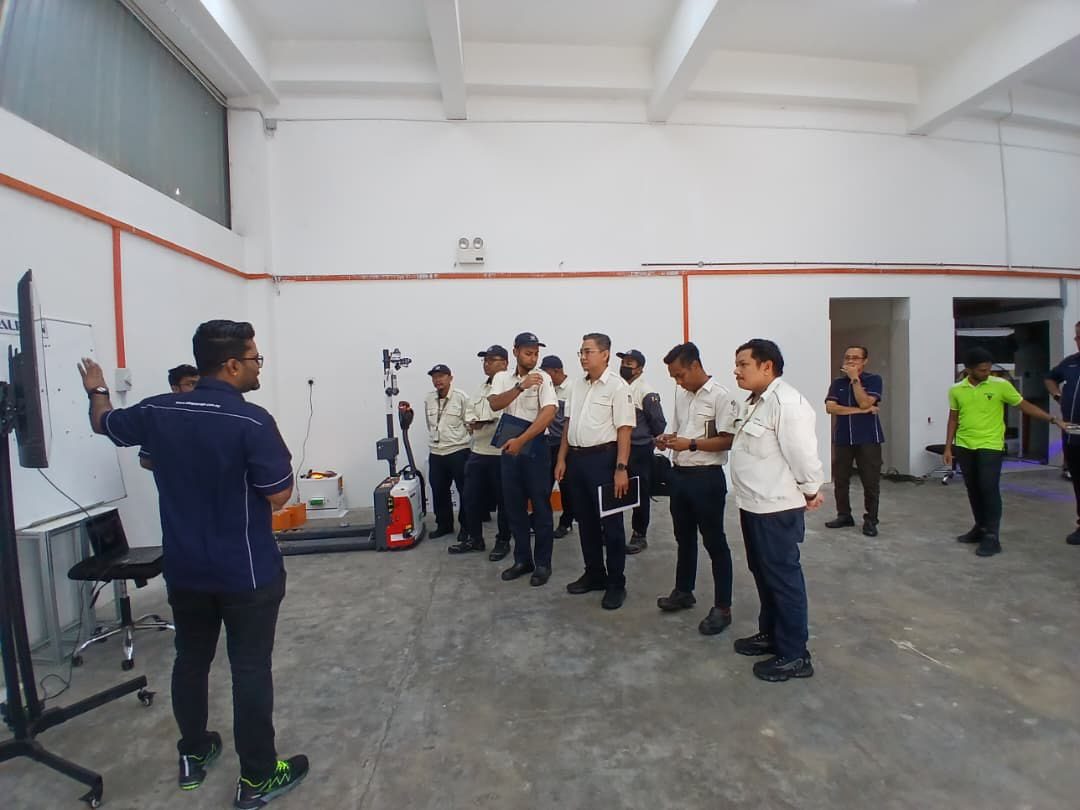
For small and mid-sized manufacturers across Subang Jaya, Shah Alam, Klang, Petaling Jaya and the wider Selangor industrial belt, walking this roadmap with a local training partner has real advantages. Your team learns on real hardware nearby, applies it the same week, and works with trainers who understand the local industry and can visit your site. Being based in Subang Jaya, we can help you audit your floor, pick the right first step, and build the skills path that fits your operation, all without your people spending days travelling to training.
The bottom line
Industry 4.0 is not a distant, expensive project reserved for giants. For a Malaysian SME it is a practical direction you walk one step at a time: understand your floor, build the foundation skills, automate your worst bottleneck, connect your machines, and use the data. Each step pays for itself and funds the next, and with HRD Corp claiming, the skills that make the whole journey work can be funded largely by levy you already pay. The SMEs that thrive over the next few years will not be the ones that spent the most. They will be the ones that walked the roadmap deliberately, building capability alongside technology. Contact us to plan the skills side of your Industry 4.0 journey, HRD Corp claimable where eligible.
The technologies you will meet on the roadmap, in plain terms
Industry 4.0 comes with a lot of jargon, so it helps to translate the main pieces into plain language. Sensors are the eyes and ears of the factory, telling the control systems what is happening. The PLC is the brain that makes decisions based on those sensors. An HMI is the touchscreen that lets a person see and control the machine. SCADA is a layer above that supervises and records what many machines are doing across a plant. IIoT, the Industrial Internet of Things, simply means connecting machines so they can share data. Robots, whether cobots or AMRs, are the hands and legs that do physical work. You do not adopt all of these at once. You meet them one at a time as your roadmap progresses, and each becomes far less intimidating once your team has the foundation skills to understand it. The value of learning the fundamentals early is that every new piece of technology then slots into a picture your people already understand.
How to choose your first automation project
The first project sets the tone for everything after it, so choose it well. The best first project has three qualities. It solves a real, expensive pain, so the return is clear and the team sees the point. It is contained enough to finish and learn from without betting the whole operation on it. And it is visible, so a success builds momentum and confidence across the floor. Avoid the temptation to pick the most impressive-looking technology or the biggest transformation. A modest project that removes a genuine bottleneck and teaches your team how to run automation is worth far more than an ambitious one that overwhelms everyone and stalls. Momentum is the real currency of an Industry 4.0 journey, and momentum comes from finishing things.
Measuring progress so the journey does not drift
It is easy for an improvement journey to lose direction. Guard against that by deciding, at each step, how you will know it worked. Before automating a process, note the current downtime, cycle time, error rate or labour hours. After, measure the same things. This does two jobs. It proves the value, which makes the case for the next investment easier. And it keeps the journey honest, because you are improving measured things rather than chasing technology for its own sake. SMEs that measure their progress make better decisions about where to go next, and they can show ownership and the bank a clear record of return. That record is also exactly what turns a one-off project into a sustained programme with real backing.
You do not have to walk it alone
One of the quiet advantages of the Malaysian ecosystem is that support exists for manufacturers modernising their operations, from the HRD Corp levy that funds the skills to various national initiatives encouraging automation and digitalisation. A good training partner helps you make sense of the skills side and sequence it sensibly. Being based in Subang Jaya and working across Selangor industry, we see the same journey play out again and again, and we can help you avoid the common missteps: buying technology before building skills, trying to transform everything at once, or chasing data before there is anything automated to measure. The roadmap is well trodden. You just have to walk it in the right order, at a pace your operation can absorb.
Why waiting is the expensive option
Many SMEs treat Industry 4.0 as something to get to later, once things are less busy or cash is easier. The trouble is that later rarely comes, and meanwhile competitors who started walking the roadmap pull steadily ahead. The gap between a factory that automates and trains and one that does neither does not stay constant. It widens, because each automated process and each new skill compounds. The good news is that the cost of starting is far lower than most SMEs assume, especially with HRD Corp funding the skills side, and the first step is small: audit your floor and train your team on the fundamentals. You are not committing to a transformation, you are taking one deliberate step. But taking it now, rather than someday, is what keeps you in the race. The SMEs that thrive are not the ones that waited for the perfect moment. They are the ones that started, modestly, and kept going.
The one thing to do this quarter
If all of this feels like a lot, reduce it to a single action for the next few months: audit your floor honestly and send your maintenance team through PLC fundamentals. That one move costs little, is very likely HRD Corp claimable, and unlocks everything that follows. It tells you where automation will actually help, and it gives your team the foundation to support whatever you add next. You do not need a grand strategy or a big budget to begin. You need one clear-eyed look at your operation and one team building the core skill. Everything else on the roadmap becomes far easier to reach once those two things are done, and you will have started the journey that separates the SMEs that thrive from the ones that get left behind.
Ready to train your team?
Our training programmes are HRD Corp claimable for eligible employers. Get a proposal in one working day.
Request a Quote