Your maintenance experience is the perfect foundation for one of Malaysia's most in-demand roles. The step-by-step path, without going back to university.
If you work in maintenance in a Malaysian factory, you already have something valuable that no classroom can teach: you understand how machines actually behave. You know the sound a bearing makes before it fails and the smell of a motor that is running hot. What you might not yet have is the automation skill set that turns that hands-on instinct into one of the most in-demand and best-paid roles in Malaysian industry. This article maps the path from maintenance technician to automation engineer, step by step, and shows how to walk it without going back to university or leaving your job.
Why this is the right time to make the move
Malaysian factories are automating fast, and they are all hitting the same wall: not enough people who understand the automation. Employers across the Klang Valley, Penang and Johor are competing for technicians who can work on PLCs, robots and integrated systems, and there are simply not enough of them. That shortage is your opportunity. The demand is real, it is growing, and it rewards people who can bridge the gap between traditional maintenance and modern automation.
The best part is that you are not starting from zero. Maintenance experience is the ideal foundation for automation work. You already understand electrical systems, mechanical assemblies, and how to troubleshoot under pressure. Automation skills sit on top of that foundation, and they are very learnable for someone who already thinks the way a maintenance technician does.
You are not starting a new career from scratch. You are adding the skills that make the experience you already have far more valuable.
The skills that separate a technician from an automation engineer
What actually changes as you move from maintenance technician toward automation engineer? A few specific capabilities. You move from fixing machines to understanding and modifying the logic that controls them. You move from working on one machine to understanding how machines communicate and coordinate. You move from reacting to faults to designing and improving how automated systems run. Those are learnable skills, and they follow a natural order.
Step one: master the PLC
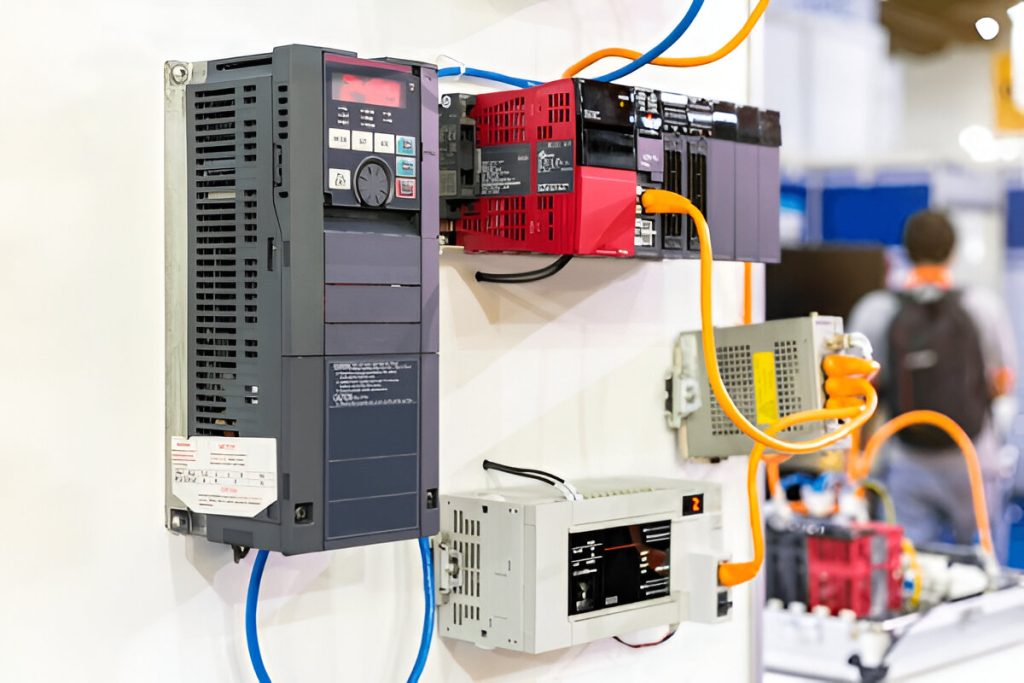
The single most important step is the Programmable Logic Controller. The PLC is the brain of factory automation, and understanding it is what separates a technician who waits for the automation person from one who is the automation person. This is where you learn to open a running program, read ladder logic, understand how inputs and outputs map to real devices, and troubleshoot faults that live in software rather than hardware.
Our PLC basic training is designed exactly for this transition. In two focused, hands-on days you go from theory to building real logic and testing it on real hardware. For a maintenance technician, this is the door into automation, and it opens fast because so much of the electrical and troubleshooting foundation is already there.
Step two: learn the robots
With PLC skills growing, the next step is the robots that increasingly share the factory floor. This branches into two related paths, and many technicians eventually learn both.
Collaborative robots, or cobots, do flexible tasks like assembly, machine tending and pick-and-place, working safely alongside people. Learning to program a cobot with a teach pendant, understand its safety standards, and maintain it is a distinct and valuable skill. Our cobot training covers this over three practical days.
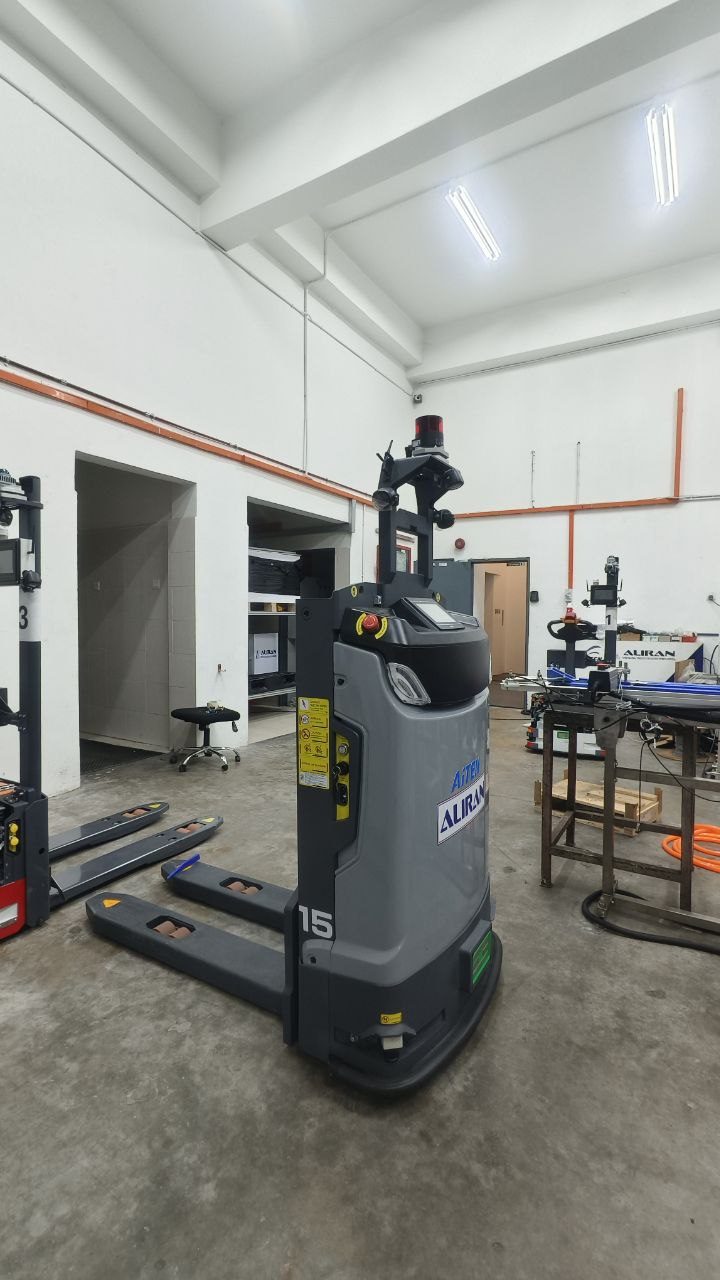
Autonomous mobile robots, or AMRs, handle transport and material movement, navigating a facility on their own. Learning to map a floor, manage a fleet, and troubleshoot the robots is another valuable skill. Our AMR training builds this. Which you learn first depends on what your factory uses, but both add real weight to your profile.
Step three: learn to integrate
This is where you cross from technician into engineer territory. Integration is the ability to make separate systems, a PLC and a robot, work together as a coordinated whole. It is one of the scarcest and most valuable skills in Malaysian industry, precisely because so few people can do both sides.
Our integration courses, PLC and Cobot and PLC and AMR, teach both sides and then wire them together in a real project. When you can look at two machines and confidently make them coordinate, you are doing the work of an automation engineer, and you become the person employers fight to hire and keep.
What this does for your career and your pay
Let us be direct, because this matters. Automation skills change your position in the job market. A general maintenance technician is valuable but common. A technician who can confidently work on PLCs, program robots, and integrate systems is scarce and sought after. That scarcity translates into better roles, better pay, and more security, because you become harder to replace and more central to how the factory runs.
It also changes the nature of your work. Instead of only reacting to breakdowns, you start designing and improving how systems run. That is more interesting, more respected, and more future-proof. As factories automate further, the people who understand the automation are the ones whose roles grow rather than shrink.
You do not have to do it all at once
The path from technician to automation engineer is not a single leap. It is a series of steps, each of which makes you more capable and more valuable, and each of which you can take while staying in your job. Start with PLC. Add a robot skill. Then learn to integrate. Each course is short and practical, measured in days rather than months, so you build the profile steadily without stepping away from work.
This staged approach also means you see the benefit early. After the first PLC course, you already handle faults that used to stump you. After a robot course, you can support machines your colleagues cannot. You do not wait years for a payoff. Each step pays off almost immediately, on the floor and in your standing at work.
How your employer can fund it
Here is something many technicians do not realise. Your employer can very likely fund this entire path at little or no cost, using the HRD Corp levy. If your company contributes to HRD Corp, our courses are claimable under the SBL-Khas scheme, because we are a registered provider, serial number 202501044803.
This is a win for both sides. Your employer gets a more capable team, funded largely by levy they already pay. You get skills that advance your career, without paying for them yourself. If you want to make the move, one of the most effective things you can do is raise this with your manager, framed as upskilling the team using funds that are already set aside. Most employers are glad to invest in people who want to grow, especially when the levy carries most of the cost.
What to say to your manager
If you are ready to start, here is a simple way to open the conversation. Point out that the factory is automating and the team needs more automation skills to keep the machines running without depending on the vendor. Note that PLC and robot training is short, hands-on, and likely claimable under HRD Corp, so the real cost is low. Volunteer to be one of the people who takes it on. You are not asking for a favour. You are offering to close a gap the factory already feels, using money already set aside, and to become more useful in the process. That is an easy yes for most managers.
Frequently asked questions
Do I need an engineering degree to become an automation engineer? No. Many excellent automation people came up through maintenance and built their skills through practical courses and experience. The hands-on understanding you already have is a genuine advantage.
How long does the whole path take? Each course is a matter of days, and you build the profile over months as you take them and apply them. You do not step away from work, and you see benefits after each step.
Which course should I start with? Almost always PLC, because it is the foundation everything else builds on and it maps closely to the electrical and troubleshooting skills you already have.
What if my factory only uses one type of robot? Start with what your factory uses, then broaden. The fundamentals transfer, and a wider skill set makes you more valuable across employers.
Can the courses be claimed under HRD Corp? For eligible employers, yes. We are a registered provider and prepare the paperwork, so most of the cost is covered by the levy.
A note for technicians in Selangor and the Klang Valley
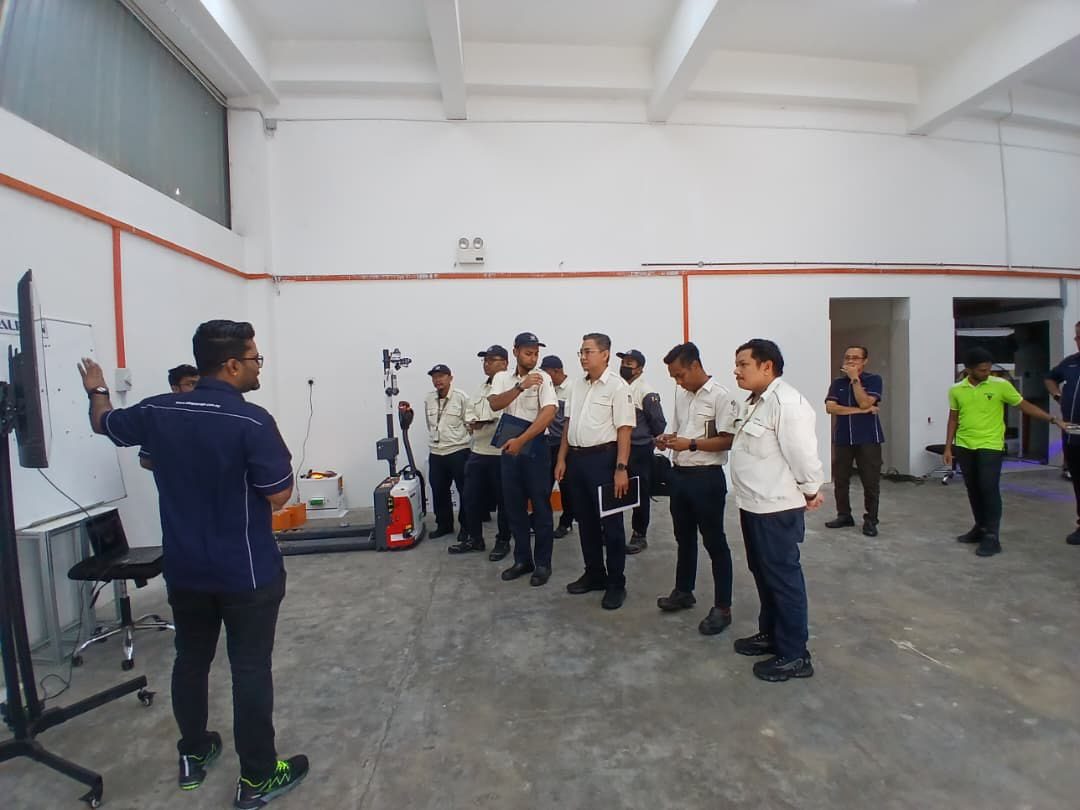
For maintenance technicians working across Subang Jaya, Shah Alam, Klang, Petaling Jaya and the wider Selangor industrial belt, training locally means you learn on real hardware close to home and apply it at work the same week. Being based in Subang Jaya, we run small, hands-on groups where you actually do the work, with trainers who have spent decades on real plant floors and with major Malaysian industrial names. That practical, local grounding is exactly what turns maintenance experience into automation capability.
The bottom line
The move from maintenance technician to automation engineer is one of the smartest career decisions available to a Malaysian technician right now. The demand is real and growing, your maintenance experience is the perfect foundation, and the path is a series of short, practical, learnable steps: master the PLC, learn the robots, then learn to integrate. Each step makes you more capable and more valuable, you can take them while staying in your job, and your employer can very likely fund the whole journey through HRD Corp. The factories of the future will be run by people who understand the automation. There is no reason that person should not be you. Contact us to start your path, and we will help you and your employer plan the right sequence of courses, HRD Corp claimable where eligible.
A sample twelve-month upskilling plan
To make the path concrete, here is one realistic way a technician might build the profile over a year while staying in the job. In the first few months, take a PLC basics course and then deliberately use it at work, volunteering to look at controller faults and reading the logic on machines you maintain. Around the middle of the year, add a robot skill that matches your factory, either cobot or AMR, and again put it to use, supporting those machines and building fluency. Toward the end of the year, take an integration course that ties the PLC and robot sides together, and look for a small project where you can apply it. Twelve months in, you have moved from a general maintenance technician to someone who can work across controllers, robots and integrated systems. None of it required leaving work, and much of it was likely funded by HRD Corp. The pace is comfortable, and each step made you more useful along the way.
Where the path leads: roles and progression
The skills open real doors. A technician who adds PLC and robot capability becomes an automation technician, trusted with the systems most of the team cannot touch. Add integration and project experience, and the automation engineer title becomes realistic, with responsibility for designing and improving how automated systems run rather than only maintaining them. Beyond that, some move into commissioning, systems integration, or leading a maintenance and automation team. Each step up tends to bring more responsibility, more interesting work, and better pay, because at every level you are harder to replace and more central to how the factory performs. The point is not that a course makes you an engineer overnight. It is that these skills put you on a track that keeps climbing as long as you keep applying and building them.
Keep learning on the job, not just in the classroom
Courses start the journey, but the real growth happens between them, on the floor. The technicians who advance fastest are the ones who treat every fault as a chance to learn, who ask why a system is designed the way it is, and who volunteer for the automation jobs others avoid. When you finish a PLC course, do not wait for permission to use it. Open programs, trace faults, understand the machines you maintain at a deeper level. When you learn a robot, get your hands on it whenever you can. This habit of deliberate practice is what turns a certificate into genuine capability, and it is entirely within your control regardless of what your employer provides.
The human skills that matter too
It is worth saying that the move from technician to engineer is not only technical. As you take on more, communication starts to matter: explaining a fault clearly, documenting what you did, helping colleagues learn what you have learned. The people who progress furthest combine solid automation skill with the ability to share it and work well with a team. If you become the person who not only fixes the hard problems but also lifts the people around you, you become genuinely valuable in a way that no single technical skill can match. The good news is that these habits grow naturally as you take on the automation work, one job at a time.
The mindset shift that matters most
Beneath all the specific skills, the move from technician to automation engineer is really a shift in mindset. A technician tends to think in terms of fixing what is broken. An engineer thinks in terms of how the system should work and how to make it better. As you learn PLCs, robots and integration, try to make that shift deliberately. When you fix a fault, ask why it happened and whether the logic or setup could be improved so it does not happen again. When you support a machine, think about how its performance could be lifted, not just kept running. This habit of looking at the whole system, rather than only the immediate fault, is what employers really mean when they talk about an automation engineer. The technical courses give you the tools, but the mindset is what turns those tools into a career. The encouraging part is that this way of thinking grows naturally as you build the skills, one machine and one project at a time.
Your next move, made simple
If you take one thing from all of this, make it this: the path is real, it is walkable while you keep your job, and the first step is small. Start with PLC fundamentals, because it is the foundation everything else builds on and it maps directly to the electrical and troubleshooting skills you already have. Raise it with your manager as team upskilling funded by HRD Corp, so the cost to the company is low. Then apply what you learn immediately, on the machines you already maintain. That single step will already make you more capable at work, and it puts you on a track that keeps climbing. You do not have to see the whole journey to begin it. You just have to take the first step, and the rest opens up as you go.
Ready to train your team?
Our training programmes are HRD Corp claimable for eligible employers. Get a proposal in one working day.
Request a Quote