Machines are getting smarter, but the number of technicians who can confidently work on a controller has not kept up. These are the skills worth having.
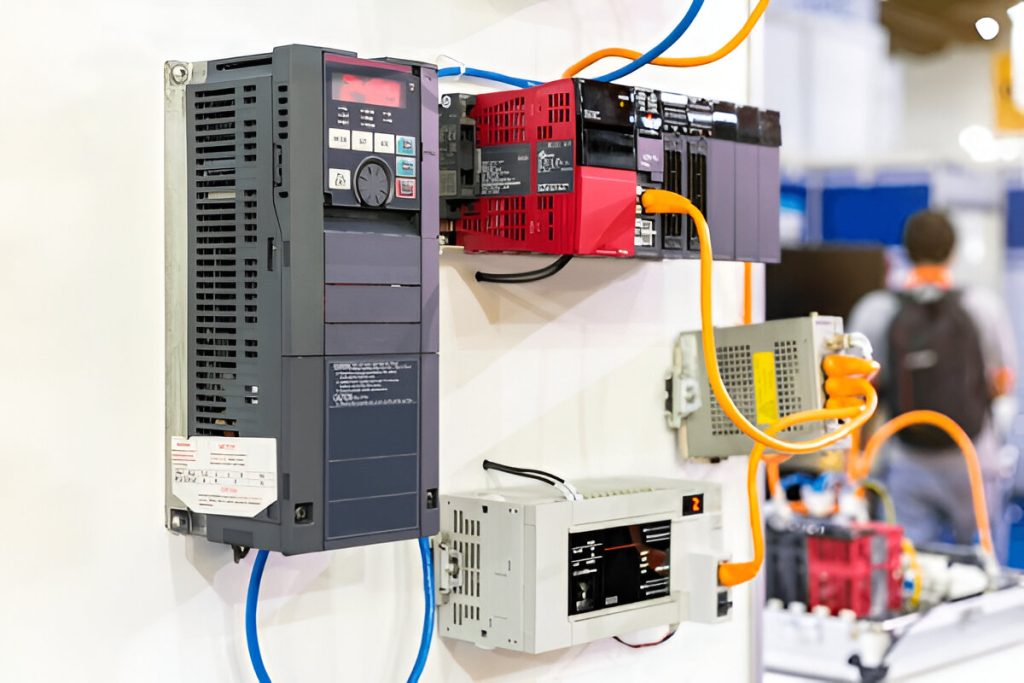
Ask any plant manager in the Klang Valley what they struggle to hire for, and PLC skills come up fast. Machines are getting smarter, but the number of technicians who can confidently work on a controller has not kept up. If you maintain equipment for a living, these are the skills worth having in 2026.
- Reading ladder logic. Not writing a whole program from scratch, but being able to open a running program and understand what it is doing. This alone cuts downtime.
- Basic wiring and I/O. Knowing how inputs and outputs map to the real sensors and actuators, and how to test them safely.
- Fault finding. Reading fault codes, checking the obvious causes first, and knowing when the problem is the program versus the hardware.
- Communication basics. Understanding how a PLC talks to an HMI, a drive or a robot. More and more faults live in that link, not in the machine itself.
- Simple maintenance. Backups, firmware notes and keeping spares sensible so a small failure does not turn into a long stoppage.
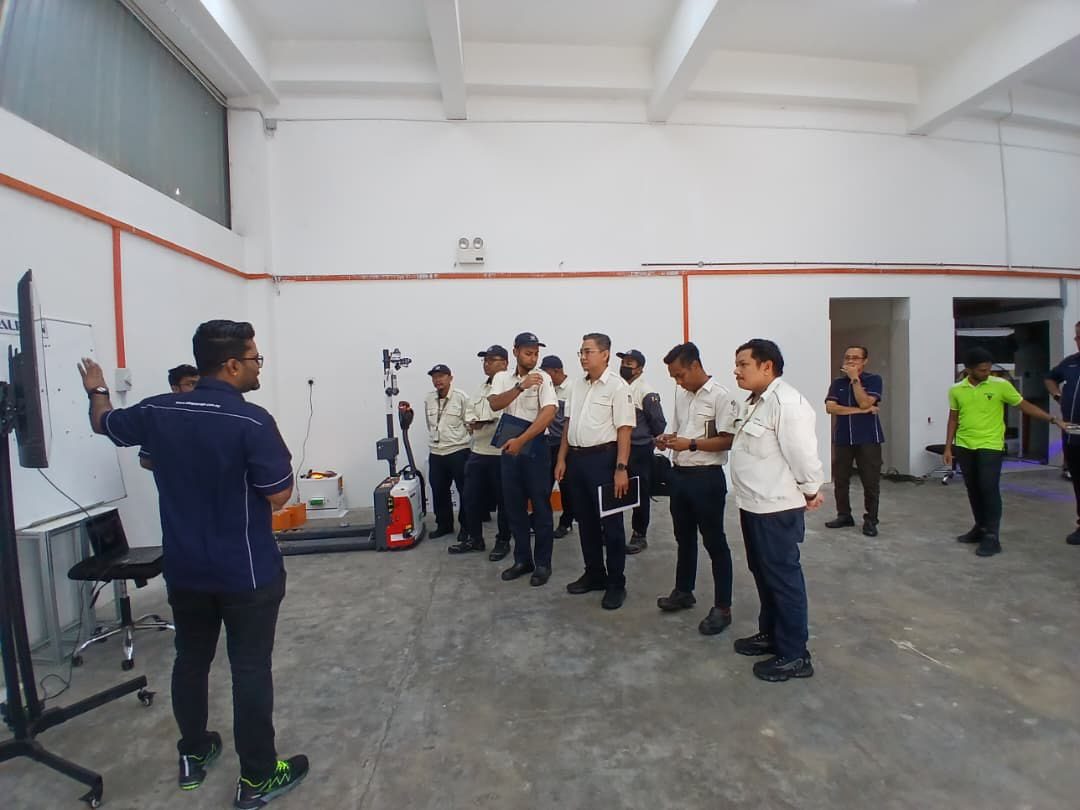
You do not need a degree to pick these up. A short, practical course on real hardware gets most technicians to a useful level, and they keep improving once they are back on the floor using it. That is the whole idea behind our PLC training.
If your team is strong on mechanical work but shaky on controllers, that is the most common gap we see, and it is the easiest one to close.
Ready to train your team?
Our training programmes are HRD Corp claimable for eligible employers. Get a proposal in one working day.
Request a Quote