People picture training as a room full of slides. Ours looks more like a workshop. Here is what a typical three day AMR course actually runs like.
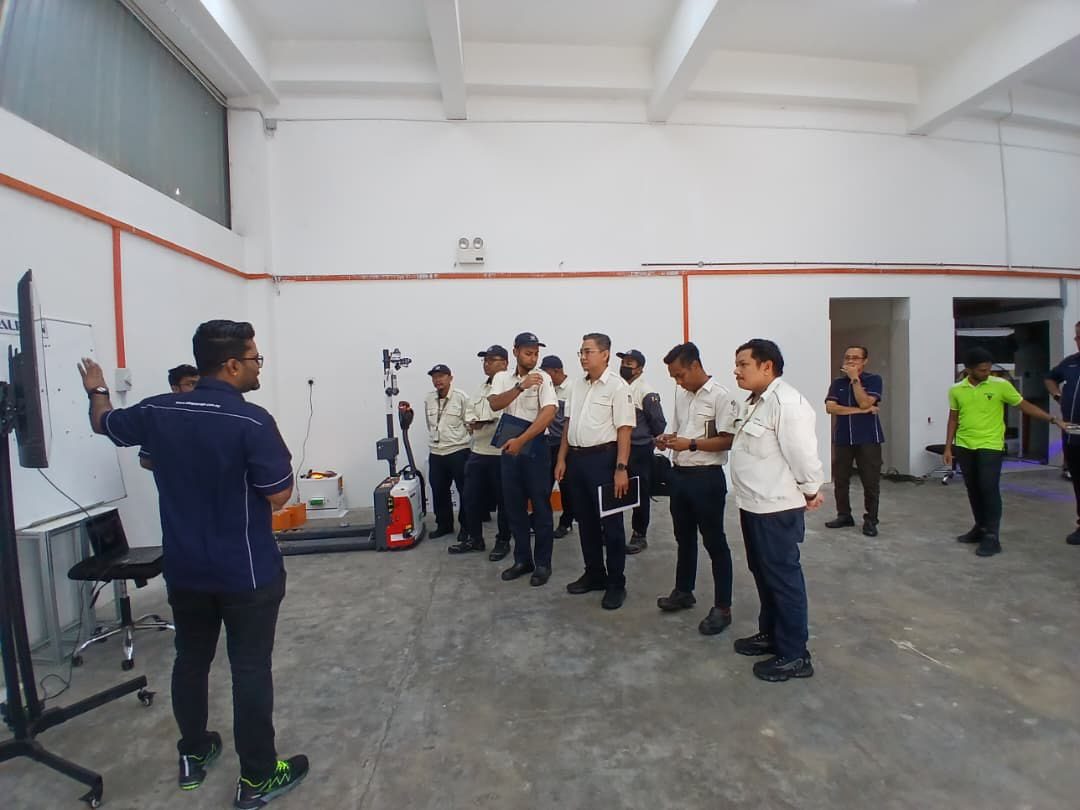
People often picture training as a room full of slides. Ours looks more like a workshop. Here is what a typical three day AMR course runs like at our centre in Subang Jaya, so you know what your team is walking into.
Day one: the machine and the software
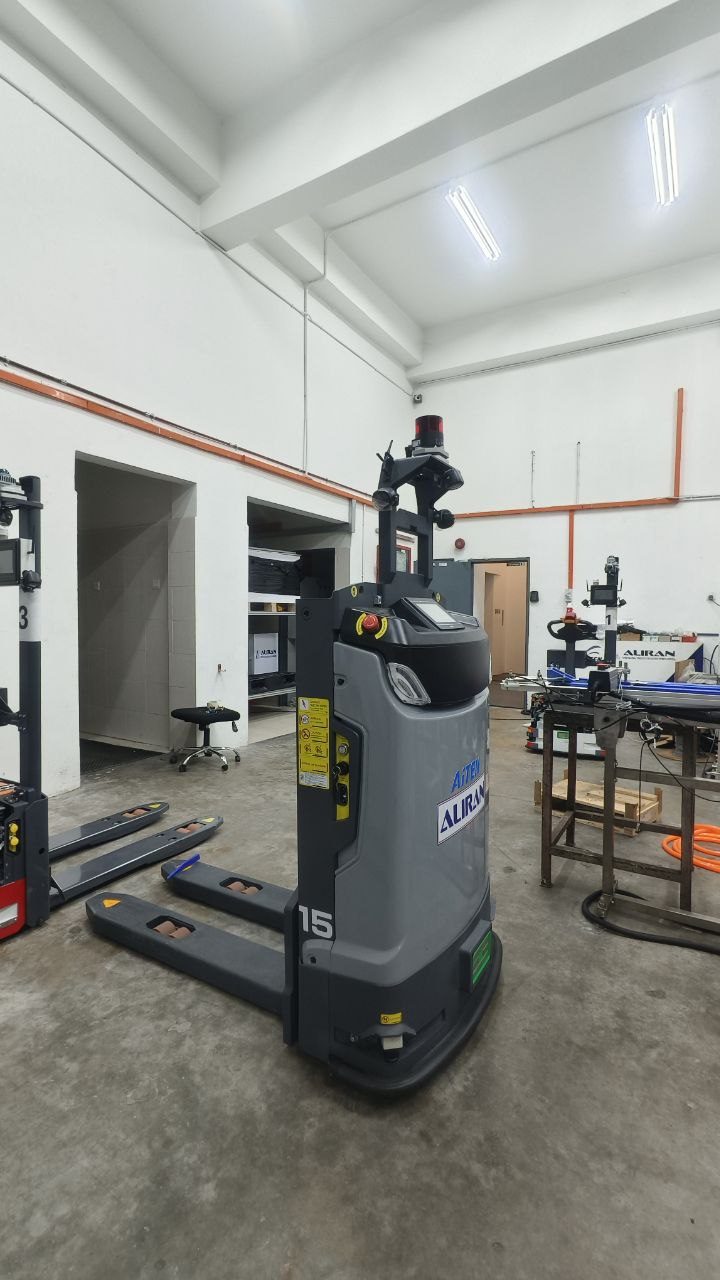
We start with the robot itself. What the sensors do, how the drive works, why an AMR is different from an old AGV that just follows a magnetic strip. By the afternoon the group is inside the Robot Control System, or RCS, looking at how the robot builds and reads a map.
Day two: dispatch and upkeep
The second day moves to the Robot Dispatch System, or RDS, which is how you run more than one robot without them bumping into each other. We cover charging zones, traffic areas and simple maintenance so the fleet keeps moving. Warehouse supervisors tell us this is the part they use the most.
Day three: hands on the floor
The last day is practical. Teams map a real area, draw routes, drop waypoints and build a task chain that actually moves the robot from point to point. We finish with a short exam, a review and the certificate. Nobody leaves having only watched.
The best sign a course worked is when a technician goes back to the plant on Monday and sets up a route on their own. That is what we aim for.
Groups are kept small on purpose. Real hardware only teaches you something if you get your hands on it, and that does not happen in a hall of fifty people.
Ready to train your team?
Our training programmes are HRD Corp claimable for eligible employers. Get a proposal in one working day.
Request a Quote